Elevating Your Brand with the Handmade Signature Font
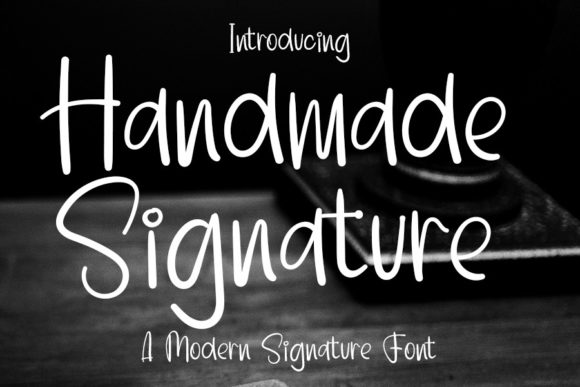
In the vast landscape of digital typography, finding a font that feels genuinely personal can be a challenge. Handmade Signature is a premium font designed to bridge the gap between digital precision and human warmth. It is a whimsical script font that carries a relaxed theme, offering a lovely, flowing style that mimics natural handwriting. For designers, entrepreneurs, and content creators, this typeface is more than just a set of characters; it is a design asset that adds a distinct personality to any project. Whether you are crafting a logo, designing a wedding invitation, or building a brand identity, understanding how to leverage this creative font can significantly elevate your work.
The Visual Character of Handmade Signature
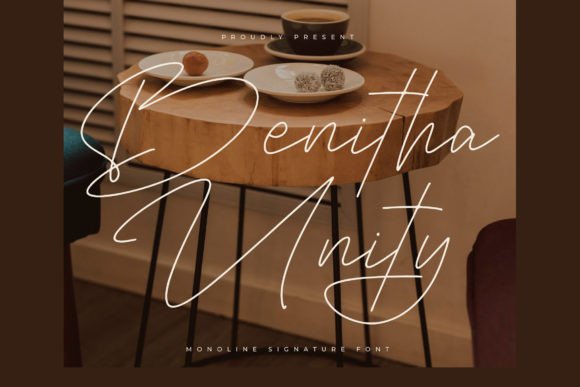
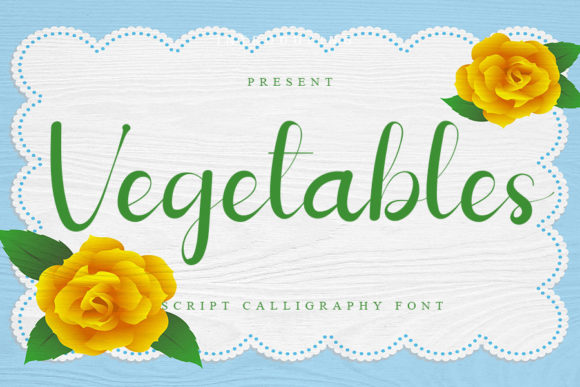
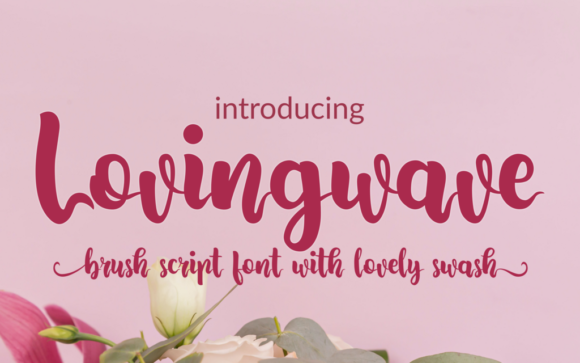
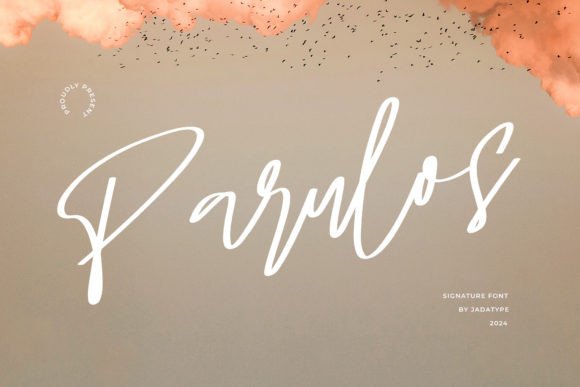
When we talk about modern typography, we often discuss the tension between legibility and personality. Handmade Signature leans heavily toward personality without sacrificing usability. As a script font, it features fluid connections between letters, mimicking the natural flow of ink on paper. The "whimsical" aspect comes from its slightly irregular baseline and varied stroke widths. Unlike rigid sans serif fonts, this typeface has organic movement. It feels approachable and authentic, which is a crucial element in today’s market where consumers crave genuine connection over corporate sterility.
The visual appeal of Handmade Signature lies in its versatility. It does not look like a standard calligraphy font that might feel too formal or traditional. Instead, it strikes a balance that works for both casual and semi-formal contexts. The relaxed theme ensures that it doesn't overwhelm the viewer, making it an excellent choice for display font applications where you need to grab attention quickly but gently. It carries the charm of a handwritten font but with the polish required for professional commercial font usage.
Strategic Applications for Designers and Brands
Understanding where to use a font is just as important as liking how it looks. Handmade Signature excels in specific areas of design, particularly where emotional engagement is the goal.
Logo Design and Brand Identity
For small business owners and entrepreneurs, a logo is the face of the brand. Using Handmade Signature in logo design immediately signals a human touch. This is particularly effective for businesses in the lifestyle, beauty, wellness, or artisanal food sectors. It suggests that there is a real person behind the product who cares about quality. When used as part of a broader brand identity system, this font can be the primary voice for headers and slogans, setting a tone that is friendly and inviting. It pairs beautifully with a clean serif font or a geometric sans serif font for body text, creating a visual hierarchy that guides the eye naturally.
Packaging and Editorial Design
In packaging design, the goal is to stand out on the shelf. Handmade Signature adds a layer of authenticity to product labels, especially for organic goods, handmade crafts, or boutique items. It implies that the product inside is crafted with care. Similarly, in editorial design, such as magazine layouts or blog headers, this script font can be used to highlight pull quotes or section titles. It breaks the monotony of standard text blocks and adds a dynamic rhythm to the page layout.
Digital Presence and Social Media
The digital space is crowded, and standing out on social media requires graphics that stop the scroll. Handmade Signature is an incredibly asset for social media graphics. Its unique style works well for Instagram stories, Pinterest pins, and Facebook headers. Because it mimics a handwritten font, it feels personal and direct, which can increase engagement rates. However, web design requires careful consideration. While this font is excellent for hero images or static graphics, it should be used sparingly in dynamic web content to ensure fast load times and readability across different devices.
Practical Guidance for Implementation
Choosing a font is a decision that affects the entire project. Here is how to effectively integrate Handmade Signature into your workflow.
Evaluating Project Fit and Font Pairing
Before selecting Handmade Signature, consider the tone of your message. If you are designing a legal document or a technical manual, a whimsical script font is likely the wrong choice. However, for marketing materials, greeting cards, or lifestyle branding, it is ideal. The key to successful font pairing is contrast. Because Handmade Signature is decorative and has high visual weight, it requires a partner font that is neutral and easy to read. A simple sans serif font like Open Sans or a traditional serif font like Garamond works well to support the main header without competing for attention.
Readability and Visual Hierarchy
Readability is paramount. While Handmade Signature is legible for short bursts of text—like a logo, a headline, or a call-to-action button—it is not designed for long paragraphs. Using a script font for body text is a common mistake that can frustrate readers. Instead, use this font to establish the visual hierarchy. Let it dominate the top of the page to draw the viewer in, then transition to a highly legible font for the details. This approach ensures that your design looks professional and functions effectively.
Commercial Licensing and Technical Review
When working with any premium font, always review the licensing terms. Handmade Signature is a commercial font, meaning you need to ensure your license covers your intended use, whether it is for a single client project, a print-on-demand service, or a corporate identity. Additionally, check the included styles. Many high-quality script fonts come with alternate characters, ligatures, and swashes. Taking the time to explore these OpenType features can transform a standard layout into something unique. For example, swapping out a standard "t" for a stylistic alternate can make a word look more fluid and intentional.
Conclusion
Handmade Signature is more than just a collection of glyphs; it is a tool for storytelling. Its relaxed, whimsical nature allows creators to infuse their work with warmth and personality. By using it strategically in logo design, packaging, and digital media—and pairing it with complementary fonts—you can create a cohesive and memorable visual experience. For any designer or business owner looking to add a touch of humanity to their projects, this typeface is a valuable addition to your library of design assets.