Tripoli: The Script Font That Feels Genuinely Handwritten
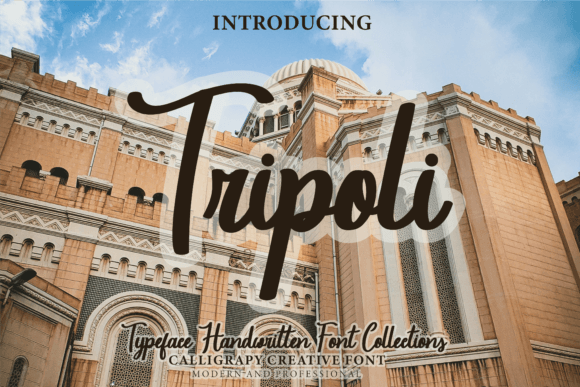
There’s a specific kind of magic in a font that doesn’t just look handwritten but feels like it. It’s the difference between a generic "script" and something that carries the weight, flow, and subtle imperfections of a real person’s hand. This is the space where Tripoli lives. It’s not a typeface trying to imitate a calligraphic pen; it’s a genuine script font that captures the authentic, fluid motion of a skilled hand at work. For designers and creators tired of sterile, predictable lettering, Tripoli offers a breath of fresh air—unmatched in its authenticity and ready to elevate your projects from the ordinary to the extraordinary.
The Anatomy of Authenticity: What Makes Tripoli Different
Look closely at Tripoli. You’ll notice the strokes aren’t perfectly uniform. There’s a beautiful, natural variation in weight as the "pen" moves across the letterforms. The connections between letters feel organic, not mechanically engineered. This isn’t a handwritten font with a single, static style; it has the rhythm and personality of true cursive writing. The overall appeal is one of warmth, sophistication, and approachable elegance. It strikes a rare balance—it’s formal enough for a wedding invitation but relaxed enough for a boutique coffee bag. This versatility stems from its core design: it’s a premium font built for real-world application, not just for looking pretty on a specimen sheet.
This script font shines in contexts where you need to convey a human touch. Think of a heartfelt thank-you note, a personalized product label, or a social media quote that needs to feel sincere. Tripoli’s personality adds a layer of emotional resonance that a standard sans serif font or even a classic serif font simply can’t provide. It’s the typographic equivalent of a firm, friendly handshake.
Where Tripoli Truly Shines: Practical Applications
The true test of any creative font is how it performs in the wild. Tripoli isn’t a one-trick pony; it’s a versatile design asset that finds its place across a surprising range of projects.
- Brand Identity & Logo Design: For brands that want to appear artisanal, personal, or boutique, Tripoli can be a cornerstone. Imagine it for a bakery’s logo, a florist’s branding, or a independent author’s wordmark. It immediately sets a tone of craftsmanship and care. When used for a logo design, it creates a mark that feels unique and memorable, helping with brand recognition.
- Editorial & Packaging Design: In editorial design, Tripoli can pull double duty. It’s perfect for pull quotes, chapter headings, or article titles in magazines and books where you want to inject personality. For packaging design, it’s a game-changer. Picture it on a artisanal chocolate bar label, a bottle of small-batch gin, or a handmade soap wrapper. It tells a story of quality and attention to detail before the customer even reads a word of copy.
- Wedding & Event Stationery: This is a natural home for a font like Tripoli. Its elegant flow makes it ideal for wedding invitations, save-the-dates, and ceremony programs. It pairs beautifully with clean modern typography for a balanced, sophisticated look. The same principle applies to milestone birthday invites, graduation announcements, or gala programs.
- Digital & Social Media: Don’t confine Tripoli to print. It works beautifully in web design for hero sections, call-to-action phrases, or stylish navigation elements (when used at appropriate sizes). For social media graphics, it’s a powerhouse. Use it for Instagram quotes, Facebook cover text, Pinterest pin titles, or YouTube thumbnail headlines. It stops the scroll because it feels authentic and crafted in a sea of generic, auto-generated text.
Even in subtle applications, like a photography watermark, Tripoli performs. Its flowing strokes can converge subtly with an image’s theme, making an understated yet professional impression that doesn’t overpower the visual work.
Making Tripoli Work for You: A Designer’s Practical Guide
Choosing the right font is only half the battle. Using it effectively is what separates good design from great design. Here’s how to integrate Tripoli into your workflow with purpose.
Evaluating Project Fit
Before you install Tripoli, ask: Does the project’s personality match the font’s? Tripoli excels where warmth, elegance, and a personal touch are desired. It might not be the best choice for a corporate financial report or a technical manual, where clarity and neutrality are paramount. But for any project where storytelling, emotion, and authenticity are key, it’s a strong contender.
Mastering Font Pairings
A script font like Tripoli rarely works well as body text. Its strength is in headlines, logos, and short, impactful phrases. The key is pairing it with a highly readable counterpart. For a classic, elegant look, pair it with a clean serif font for body copy. For a more contemporary, crisp feel, a simple geometric sans serif font creates a beautiful contrast. Always test your font pairing at the actual size it will be used. Ensure the x-height and overall color of the text block complement each other without competing.
Understanding the Toolkit
A quality commercial font like Tripoli often comes with more than just basic letters. Check for stylistic alternates, ligatures, and swashes. These extras allow you to customize the look, avoiding repetitive letter shapes and adding flair where needed. For example, a swash on a capital letter in a logo can add a unique signature touch. Reviewing the included styles (like regular, bold, or italic) helps maintain visual hierarchy and consistency across your brand’s materials.
Readability and Licensing
Always prioritize readability. Tripoli’s authentic style means some letter combinations may be less familiar at a glance. Test it with your actual text at the intended size, especially for longer words or critical information. If it’s for a website, check its rendering on different screens. Finally, ensure you have the correct commercial font license for your project’s scope, whether it’s for a single client, a product line, or a global brand campaign. Respecting licensing protects you and supports the type designers who create these valuable design assets.
By thoughtfully applying Tripoli, you’re not just selecting a typeface. You’re making a strategic choice to infuse your work with authenticity, personality, and a level of sophistication that resonates. It’s the tool that helps tie together a stationery theme, bring a brand identity to life, and make any project where typography plays the starring role truly impressive. Witness the impact for yourself.